
Summary
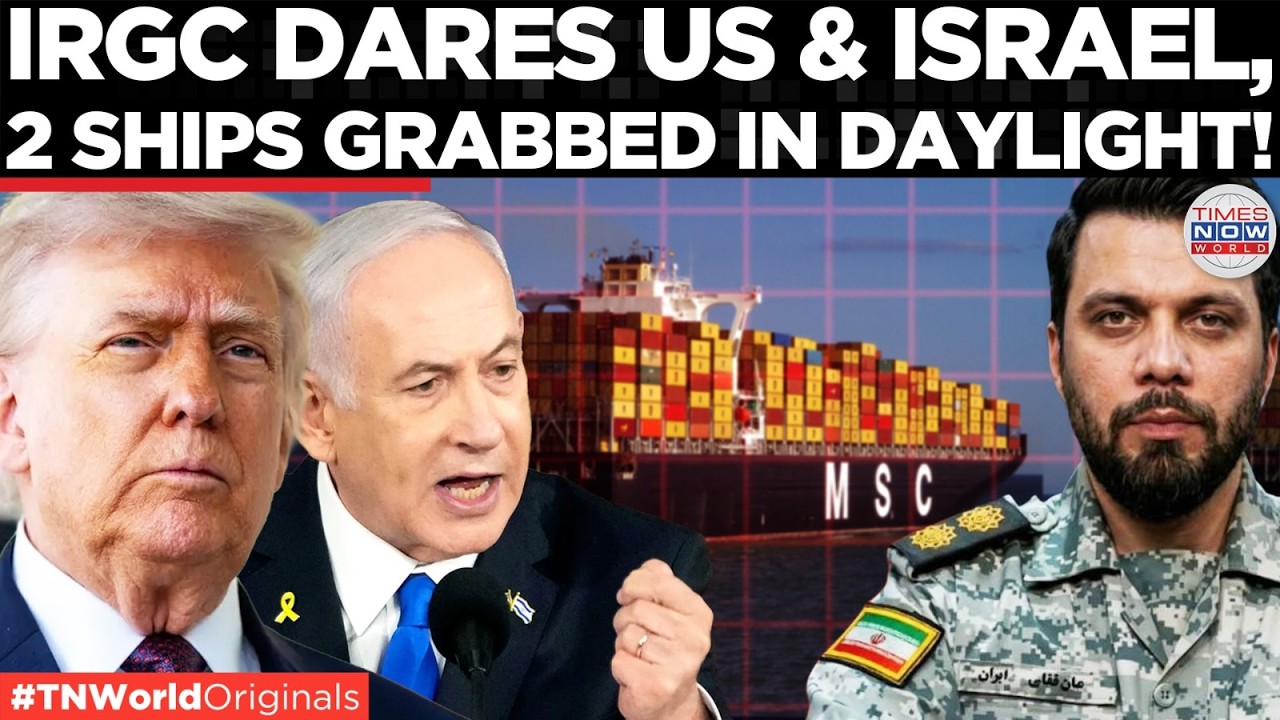
The **blockade** of the **Strait of Hormuz** has significant implications for global trade and energy supplies. The **United States** has been working to maintain a strong presence in the region, with **Trump** emphasizing the need for a peaceful resolution. However, the situation remains volatile, with **Iran** and **Israel** engaging in a series of tit-for-tat attacks. For more information on the **US involvement in the Middle East**, visit our page on [[us-involvement-in-the-middle-east|US Involvement in the Middle East]]. The **Middle East crisis** is a complex issue, with multiple countries and factions involved. To learn more about the crisis, check out our page on [[middle-east-crisis|Middle East Crisis]].
Key Takeaways
- Iran seized two ships in the Strait of Hormuz, escalating tensions in the region
- The White House claimed Trump is 'satisfied' with the blockade, but the situation remains volatile
- The blockade has significant implications for global trade and energy supplies
- Diplomatic efforts are essential to promote a peaceful resolution to the crisis
- The international community has a vested interest in promoting peace and stability in the region
Balanced Perspective
The situation in the **Strait of Hormuz** is complex and multifaceted, with various factors at play. **Iran**'s seizure of the two ships has escalated tensions, but it is essential to consider the historical context and the interests of all parties involved. The **United States**, **Israel**, and **Lebanon** are all closely monitoring the situation, and a peaceful resolution will require careful diplomacy and negotiation. For more information on the **history of the Middle East conflict**, visit our page on [[history-of-the-middle-east-conflict|History of the Middle East Conflict]]. The **current events in the Middle East** are constantly evolving, and our page on [[current-events-in-the-middle-east|Current Events in the Middle East]] provides up-to-date information on the latest developments.
Optimistic View
The current situation in the **Strait of Hormuz** presents an opportunity for **diplomatic efforts** to resolve the conflict peacefully. With **Trump** claiming to be 'satisfied' with the blockade, there may be a willingness to engage in negotiations. **Iran** and **Israel** have both expressed a desire for a peaceful resolution, and the international community can play a crucial role in facilitating dialogue. For more information on **diplomatic efforts in the Middle East**, visit our page on [[diplomatic-efforts-in-the-middle-east|Diplomatic Efforts in the Middle East]]. The **United Nations** has been working to promote peace and stability in the region, and their efforts can be found on our page on [[united-nations-involvement-in-the-middle-east|United Nations Involvement in the Middle East]].
Critical View
The **blockade** of the **Strait of Hormuz** has the potential to lead to a catastrophic conflict, with far-reaching consequences for global trade and energy supplies. **Iran**'s actions have been perceived as aggressive, and **Israel**'s response may escalate the situation further. The **United States**' involvement in the region has been criticized, and the lack of a clear diplomatic strategy may exacerbate the crisis. For more information on the **potential consequences of the Middle East crisis**, visit our page on [[potential-consequences-of-the-middle-east-crisis|Potential Consequences of the Middle East Crisis]]. The **global implications of the crisis** are significant, and our page on [[global-implications-of-the-middle-east-crisis|Global Implications of the Middle East Crisis]] provides more information on the potential effects on the global economy and international relations.
Source
Originally reported by The Guardian