Top US Counterterrorism Official Joe Kent Resigns Over Iran War
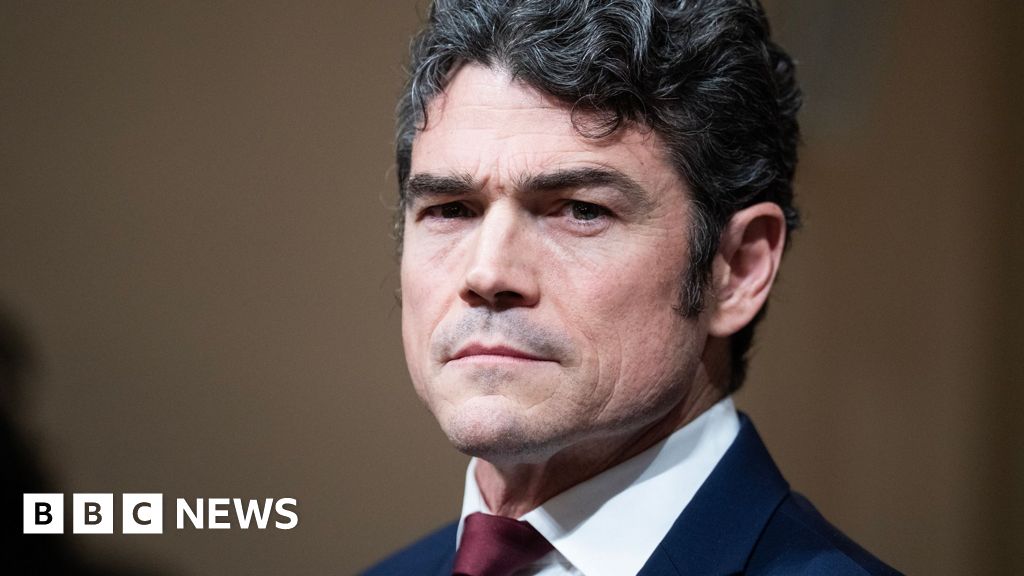
The resignation of Joe Kent has significant implications for the Trump administration's foreign policy, particularly in the Middle East. Kent's allegations of p
Summary
The resignation of Joe Kent has significant implications for the Trump administration's foreign policy, particularly in the Middle East. Kent's allegations of pressure from Israel and its American lobby have sparked debate about the influence of **special interest groups** on US policy. The situation also raises questions about the **US-Iran conflict** and the potential for further escalation. For insight into the historical context of US-Iran relations, see [[iran-us-relations|Iran-US Relations]]. Additionally, the role of **social media** in shaping public discourse around sensitive topics like war and foreign policy is noteworthy, as seen in Kent's use of **X** to post his resignation letter.
Key Takeaways
- Joe Kent, the National Counterterrorism Center Director, has resigned over the US involvement in the war in Iran
- Kent alleged that the Trump administration started the war due to pressure from Israel and its American lobby
- The White House has dismissed Kent's allegations, citing 'compelling evidence' of an Iranian threat
- The situation highlights the complex and often contentious nature of US foreign policy in the Middle East
- The resignation and surrounding controversy have significant implications for regional stability and the future of US-Iran relations
Balanced Perspective
The resignation of Joe Kent reflects the deep divisions within the Trump administration over its Middle East policy. While Kent's allegations about Israel's influence are controversial, they highlight the complex web of interests and alliances that shape US decision-making in the region. The situation underscores the need for a thorough understanding of the historical and geopolitical context, including the roles of **Israel**, **Iran**, and other key players. Visit [[us-middle-east-policy|US Middle East Policy]] for a comprehensive overview.
Optimistic View
Joe Kent's resignation could be a turning point in the Trump administration's approach to the Middle East, potentially leading to a more nuanced and less confrontational policy. Kent's allegations of undue influence from Israel and its lobby could spark a necessary conversation about the role of special interest groups in shaping US foreign policy. This might lead to a more balanced approach, considering the perspectives of all parties involved, including **Iran** and other regional actors. For a deeper understanding of the complexities at play, explore [[middle-east-peace-process|Middle East Peace Process]].
Critical View
Joe Kent's resignation is a symptom of a broader problem within the Trump administration, where ideology and special interests often outweigh careful consideration of the facts. The allegations of undue influence from Israel and its lobby are troubling, suggesting that the administration's policy is driven more by external pressures than a genuine assessment of US interests. This could lead to further escalation in the region, with potentially disastrous consequences for the US, **Iran**, and the wider Middle East. To grasp the potential implications, see [[iran-us-conflict|Iran-US Conflict]].
Source
Originally reported by BBC