Escalating Conflict: Israel Intensifies Attacks on Lebanon; Ships
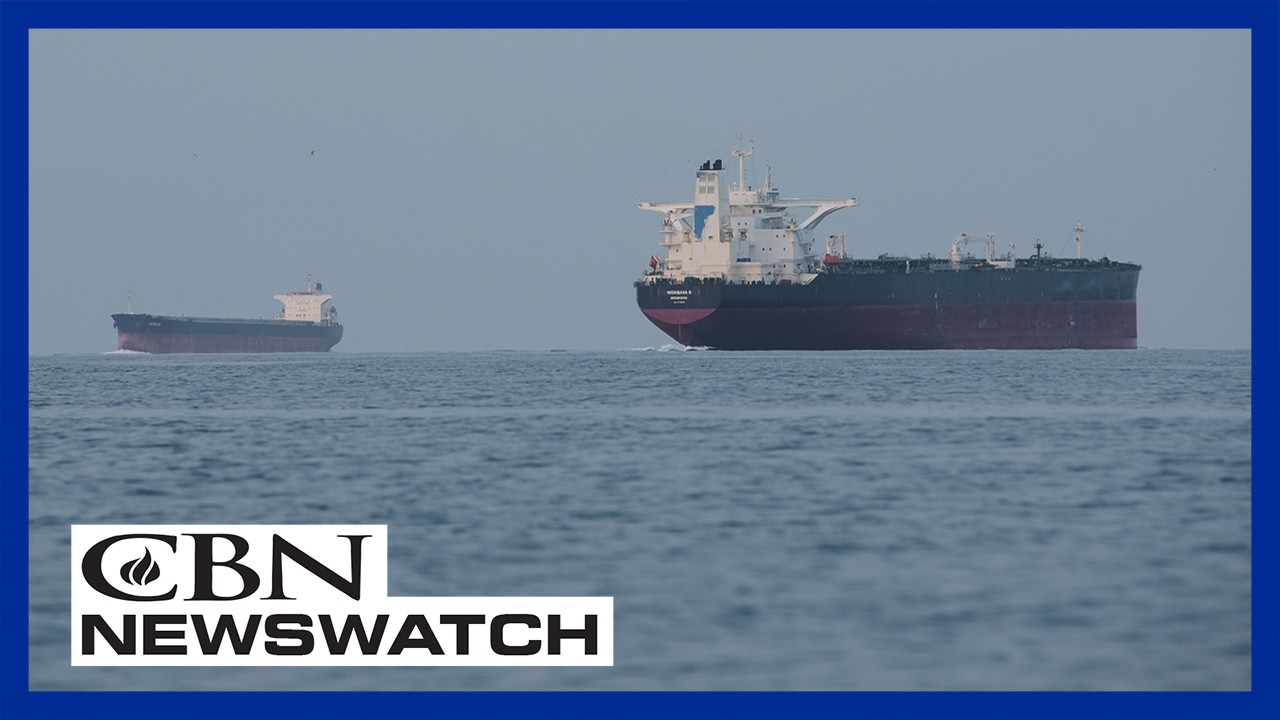
The conflict between Israel and Lebanon has **intensified**, with Lebanon's disaster management unit reporting a death toll of **2,454** and **7,658** people in
Summary
The conflict between Israel and Lebanon has **intensified**, with Lebanon's disaster management unit reporting a death toll of **2,454** and **7,658** people injured from weeks of Israeli attacks. [[lebanon|Lebanon]]'s journalist community has also been targeted, with **Amal Khalil** killed and **Zeinab Faraj** wounded in the latest strikes. Meanwhile, Iran's top negotiator has stated that opening the **Strait of Hormuz** is 'impossible' due to the **US blockade** and 'Zionist warmongering across all fronts'. This development has significant implications for global trade and regional stability, with potential consequences for the **global economy** and **Middle East politics**. The situation is further complicated by the seizure of ships in **Hormuz**, which could exacerbate tensions between **Iran** and the **US**. As the conflict continues to unfold, it is essential to consider the perspectives of all parties involved, including **Israel**, **Lebanon**, **Iran**, and the **US**.
Key Takeaways
- The conflict between Israel and Lebanon has intensified, with a death toll of 2,454 and 7,658 people injured
- Iran's top negotiator has stated that opening the Strait of Hormuz is 'impossible' due to the US blockade and 'Zionist warmongering across all fronts'
- The US has imposed a blockade on the Strait of Hormuz, which has significant economic consequences for Iran
- The international community is watching the situation closely, with many calling for a ceasefire and diplomatic negotiations
- The conflict has significant implications for the Middle East and the global economy
Balanced Perspective
The situation in the Middle East is complex and multifaceted, with many different parties and interests involved. While **Israel** and **Lebanon** are the primary parties to the conflict, **Iran** and the **US** are also playing important roles. The **Strait of Hormuz** is a critical waterway for global trade, and any disruption to shipping in the region could have significant economic consequences. As the conflict continues to unfold, it is essential to consider the perspectives of all parties involved and to seek a peaceful resolution that takes into account the interests and concerns of all parties. The **United Nations** has called for a peaceful resolution, and the **International Community** is watching the situation closely.
Optimistic View
Despite the challenges, there are still opportunities for **diplomacy** and **negotiation** to resolve the conflict. The **International Community** can play a crucial role in facilitating talks between **Israel** and **Lebanon**, and between **Iran** and the **US**. A peaceful resolution could have significant benefits for the region, including the potential for **economic growth** and **increased stability**. The **Arab League** has also called for a peaceful resolution, and **Turkey** has offered to mediate talks between the parties. With the right approach, it may be possible to find a solution that satisfies all parties and brings an end to the violence. The **European Union** has also offered to support diplomatic efforts to resolve the conflict.
Critical View
The conflict between **Israel** and **Lebanon** has the potential to escalate into a wider regional war, drawing in other countries and causing significant instability and destruction. The **US blockade** of the **Strait of Hormuz** has already had significant economic consequences for **Iran**, and the seizure of ships in the region could further exacerbate tensions. With the **US** and **Iran** at odds, and **Israel** and **Lebanon** engaged in conflict, the situation is highly volatile and unpredictable. The **European Union** has expressed concern about the situation, and **Russia** has called for a peaceful resolution. However, with so many different parties and interests involved, finding a peaceful resolution may be challenging.
Source
Originally reported by Al Jazeera