
Contents
Overview
The Clash's 1979 double album, 'London Calling,' wasn't just a collection of songs; it was a sprawling, ambitious statement that shattered punk's perceived limitations. Moving beyond the genre's raw aggression, the band incorporated reggae, ska, R&B, and rockabilly, reflecting the diverse sonic and social landscape of late 70s Britain. Lyrically, it tackled everything from nuclear apocalypse and unemployment to political corruption and social alienation, cementing its status as a vital cultural document. Its influence is undeniable, inspiring countless artists and proving that punk could be both politically charged and musically adventurous.
🎶 What is London Calling?
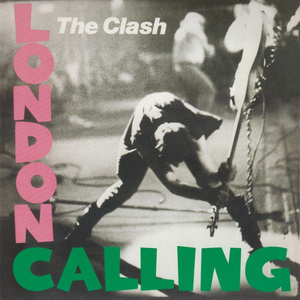
London Calling is the seminal third studio album by the iconic British punk band The Clash, released as an ambitious double album in December 1979. Far from a simple punk record, it represented a seismic shift in the band's sound and thematic scope, incorporating a vast array of musical styles. This wasn't just another album; it was a sprawling statement that redefined what a rock record could be, cementing The Clash's status as more than just a punk phenomenon. It's a cornerstone of post-punk music and a critical touchstone for understanding the late 1970s musical landscape.
📅 Release & Reception
Upon its release, London Calling was met with widespread critical acclaim, though its double-album format initially presented a commercial challenge. In the UK, it dropped on December 14, 1979, via CBS Records, followed by US and Canadian releases in January 1980 on Epic Records. The album quickly climbed the charts, peaking at number 9 on the UK Albums Chart and number 55 on the US Billboard 200. Its commercial success, coupled with its artistic ambition, signaled a new era for The Clash and demonstrated that challenging, expansive music could also find a broad audience.
🌍 Musical Evolution
Musically, London Calling is a radical departure from the raw, urgent sound of The Clash's earlier work. The band, particularly songwriters Joe Strummer and Mick Jones, embraced a dizzying spectrum of genres. You'll hear echoes of reggae in tracks like 'The Guns of Brixton,' rockabilly influences in 'Brand New Cadillac,' and even jazz undertones in 'Lost in the Supermarket.' This eclectic mix, produced by Guy Stevens, showcased the band's growing maturity and willingness to experiment, moving beyond the confines of punk rock into something far more expansive and enduring.
🎤 Key Tracks & Themes
The album's 19 tracks are a potent blend of social commentary and personal introspection. The title track, 'London Calling,' is a stark, apocalyptic vision of a city on the brink, famously referencing a BBC World Service announcement. Other highlights include the urgent 'Clampdown,' the melancholic 'Death or Glory,' and the surprisingly tender 'Lost in the Supermarket.' Lyrically, Joe Strummer grappled with themes of unemployment, political unrest, nuclear anxiety, and the search for meaning in a chaotic world, all delivered with his signature impassioned vocal style.
🤔 Critical Acclaim & Legacy
London Calling is consistently ranked among the greatest albums of all time by critics and publications worldwide. Rolling Stone magazine placed it at number 8 on its list of the '500 Greatest Albums of All Time,' and it frequently appears at the top of 'best of' lists for punk rock and new wave music. Its critical standing is virtually unassailable, lauded for its artistic bravery, musical diversity, and enduring lyrical relevance. The album's impact is so profound that it's often cited as a defining moment in British music history.
💥 Influence & Impact
The influence of London Calling is immeasurable, extending far beyond the punk rock scene. Its genre-bending approach inspired countless artists across diverse genres, proving that musical boundaries were meant to be broken. Bands like Green Day, Rage Against the Machine, and Arcade Fire have cited the album as a major influence. The album's willingness to tackle weighty political and social issues within a compelling musical framework also set a precedent for socially conscious rock music for decades to come.
💡 For the Discerning Listener
For those new to London Calling, approach it as a journey rather than a single destination. Listen to it in full, perhaps on vinyl if possible, to appreciate the intended flow and thematic arc. Pay attention to the sonic details – the unexpected instrumentation, the shifts in tempo and mood. If you're coming from a pure punk background, be open to the reggae rhythms and rockabilly swagger. If you're a fan of alternative rock or indie music, you'll find a rich wellspring of inspiration here.
🚀 Where to Go Next
Ready to explore the world of The Clash further? Dive into their earlier, more raw output like The Clash and London Calling to see their evolution. For fans of politically charged music, explore the work of Rage Against the Machine or Public Enemy. If the genre-bending experimentation appeals, check out Talking Heads or The Beatles' later work. The legacy of London Calling is vast, offering endless avenues for musical discovery.
Key Facts
- Year
- 1979
- Origin
- The Clash
- Category
- Music History
- Type
- Album
Frequently Asked Questions
What makes London Calling a double album?
London Calling was released as a double album, meaning it contained twice the number of tracks typically found on a standard LP at the time. This allowed The Clash to explore a wider range of musical styles and lyrical themes than would have been possible on a single record, reflecting their expansive artistic vision.
Was London Calling the first time The Clash experimented with different genres?
While London Calling is celebrated for its diverse musical palette, The Clash had already begun incorporating elements beyond punk on their previous album, Give 'Em Enough Rope. However, London Calling marked a significant leap in the breadth and depth of their stylistic explorations, truly embracing reggae, rockabilly, R&B, and more.
What is the meaning behind the title track 'London Calling'?
The title track 'London Calling' is a dystopian anthem that paints a bleak picture of London facing various crises, from environmental disaster to social unrest. It uses imagery of a radio broadcast to convey a sense of impending doom and global unease, reflecting the anxieties of the late 1970s.
How did Guy Stevens influence the album?
Producer Guy Stevens played a crucial role in shaping the raw energy of London Calling. Known for his hands-on, often chaotic approach, he encouraged the band to embrace spontaneity and push their musical boundaries, famously playing the drums during recording sessions to inspire the band.
Which songs from London Calling are considered essential listening?
Essential tracks include the title track 'London Calling,' the anthemic 'Clampdown,' the introspective 'Lost in the Supermarket,' the reggae-infused 'The Guns of Brixton,' and the energetic 'Death or Glory.' However, the album is best experienced as a complete work.