
Contents
Overview
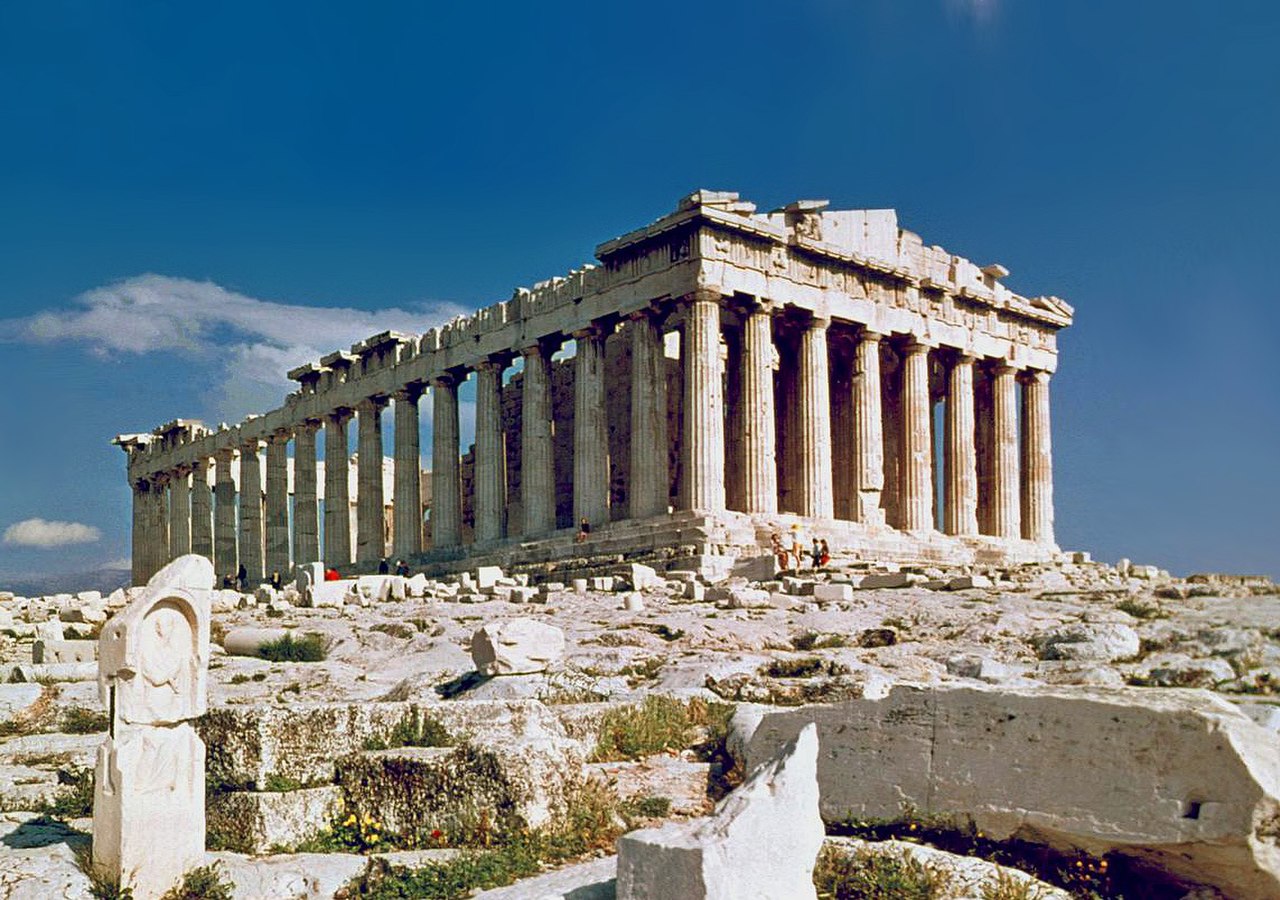
Democracy, derived from the Greek 'demos' (people) and 'kratos' (power), is a system of governance where citizens exercise power directly or through elected representatives. It encompasses various forms, including direct democracy, where citizens vote on policies, and representative democracy, where officials are elected to make decisions on behalf of the populace. The effectiveness of democracy is often debated, with tensions surrounding voter participation, electoral integrity, and the influence of money in politics. As democracies evolve, they face challenges from authoritarianism and populism, raising questions about their future viability and the balance of power. The ongoing struggle for democratic ideals continues to shape societies worldwide.
📜 Overview of Democracy
Democracy is fundamentally about the distribution of power among the populace, allowing citizens to influence governance through their votes and civic engagement. This system can range from minimalist definitions, focusing solely on competitive elections, to maximalist interpretations that emphasize civil liberties and human rights. The essence of democracy lies in its ability to adapt and respond to the needs and voices of its constituents, making it a dynamic political system that evolves with societal changes. For a deeper understanding of democratic principles, explore Democratic Principles.
🏛️ Types of Democracy
There are primarily two types of democracy: direct and representative. In a direct democracy, citizens directly participate in decision-making, often seen in smaller communities or through referendums. Conversely, representative democracy involves electing officials to make decisions on behalf of the people, which is the most common form in larger states. Each type has its advantages and drawbacks, influencing how effectively the will of the people is represented. For more on these distinctions, check out Types of Democracy.
🗳️ The Electoral Process
The electoral process is the cornerstone of democratic governance, where citizens exercise their right to vote in free and fair elections. This process typically involves multiple stages, including voter registration, campaigning, and the actual voting day. The integrity of elections is crucial; any perceived fraud or manipulation can undermine public trust in the system. Countries often employ various methods to ensure transparency, such as independent electoral commissions. To learn more about electoral integrity, visit Electoral Integrity.
🔒 Civil Liberties & Human Rights
Civil liberties and human rights are integral to a robust democracy. These rights ensure that individuals can express themselves freely, assemble peacefully, and seek redress for grievances. Democracies are expected to uphold these rights, creating an environment where dissent is tolerated and minority opinions are respected. However, the balance between security and liberty often sparks debate, especially in times of crisis. For insights into this tension, see Civil Liberties.
🌍 Global Examples of Democracy
Globally, democracies vary widely in their structure and function. Countries like Sweden and Canada are often cited as models of effective democratic governance, characterized by high voter turnout and strong civil rights protections. In contrast, nations such as Venezuela illustrate how democratic systems can falter under authoritarian pressures. These examples highlight the diverse manifestations of democracy and the ongoing struggles within different political contexts. For a comparative analysis, refer to Global Democracy Examples.
⚖️ Challenges to Democratic Systems
Democratic systems face numerous challenges, including political polarization, misinformation, and threats to electoral integrity. These issues can erode public trust and participation, leading to disillusionment with the democratic process. Additionally, authoritarian regimes often exploit these vulnerabilities to undermine democratic institutions. Understanding these challenges is crucial for advocates of democracy who seek to strengthen and protect these systems. Explore more about these challenges in Challenges to Democracy.
📈 The Future of Democracy
Looking ahead, the future of democracy is uncertain, with rising populism and technological advancements reshaping political landscapes. Innovations such as blockchain voting and online civic engagement platforms hold promise for increasing participation but also raise concerns about security and accessibility. As democracies adapt to these changes, the question remains: how will they maintain their core principles while evolving to meet new demands? For a forward-looking perspective, check out The Future of Democracy.
🤝 How to Engage in Democracy
Engaging in democracy is not limited to voting; it encompasses a range of activities, including advocacy, community organizing, and public discourse. Citizens can participate in local governance, attend town hall meetings, or join civic organizations to amplify their voices. Understanding the mechanisms of engagement is essential for fostering a vibrant democratic culture. To get started, visit How to Engage in Democracy.
Key Facts
- Year
- 508
- Origin
- Ancient Greece
- Category
- Political Systems
- Type
- Concept
Frequently Asked Questions
What are the key features of a democracy?
Key features of a democracy include free and fair elections, the rule of law, protection of human rights, and active citizen participation. These elements ensure that the government reflects the will of the people and that individual freedoms are safeguarded. Without these features, a system may claim to be democratic but fail to uphold its core principles.
How does democracy differ from authoritarianism?
Democracy is characterized by the participation of citizens in governance through elections and civil liberties, while authoritarianism centralizes power in a single leader or party, often suppressing dissent and limiting freedoms. In democracies, the government is accountable to the people, whereas authoritarian regimes typically operate without public consent.
Can democracy exist in all cultures?
While democracy can be adapted to various cultural contexts, its implementation may face challenges based on historical, social, and political factors. Each society must navigate its unique circumstances to establish a democratic framework that resonates with its citizens. The success of democracy often depends on local engagement and the protection of rights.
What role does the media play in a democracy?
The media serves as a watchdog in a democracy, providing information, fostering public debate, and holding leaders accountable. A free press is essential for informing citizens about government actions and policies, enabling them to make informed decisions. However, media bias and misinformation can pose significant challenges to democratic discourse.
What are some common challenges faced by democracies today?
Common challenges include political polarization, misinformation, voter suppression, and threats to electoral integrity. These issues can undermine public trust in democratic institutions and lead to decreased civic engagement. Addressing these challenges is crucial for the health and sustainability of democratic systems.